

Hey there! I'm a supplier of N330 Carbon Black, and today I wanna dive into how this awesome stuff influences the cross - linking density of rubber.
Let's start with the basics. Rubber is used in tons of products, from tires to rubber bands. But to make it strong, durable, and have the right properties, we need to cross - link it. Cross - linking is like creating a net - like structure within the rubber. The more cross - links there are, the higher the cross - linking density, and the better the rubber's performance in many ways.
N330 Carbon Black is a key player here. First off, it acts as a kind of "anchor" for the rubber molecules. When we mix N330 Carbon Black into the rubber compound, it gets dispersed throughout. The surface of the carbon black particles has all these little spots where the rubber molecules can attach. These attachment points are crucial for the cross - linking process.
One of the main ways N330 Carbon Black affects cross - linking density is through its surface area. N330 has a relatively large surface area, which means there are more places for the rubber molecules to interact with. When the cross - linking agents start doing their thing, they can form more bonds because there are more contact points between the carbon black and the rubber. This leads to an increase in the overall cross - linking density.
Think of it like a party. The carbon black particles are like the popular people at the party, and the rubber molecules are the guests. The more surface area the carbon black has, the more guests can get close and interact with the popular folks. And when the cross - linking agents are like the ice - breakers that make the guests start chatting and forming groups, more interactions mean more groups (or cross - links) are formed.
Another factor is the structure of N330 Carbon Black. It has a certain degree of aggregation. Aggregation means that the carbon black particles clump together to some extent. This structure can create these little pockets or channels within the rubber matrix. During the cross - linking process, the cross - linking agents can move through these channels and reach more areas of the rubber, promoting cross - linking in different parts of the compound. This helps to create a more uniform cross - linking density throughout the rubber.

Now, let's talk about the benefits of a higher cross - linking density in rubber with N330 Carbon Black. For starters, it improves the mechanical properties of the rubber. The rubber becomes stronger and more resistant to wear and tear. Tires made with rubber that has a high cross - linking density due to N330 Carbon Black last longer and can handle more stress on the road.

It also enhances the heat resistance of the rubber. When rubber is in use, especially in high - stress applications, it can generate heat. A higher cross - linking density helps the rubber to withstand this heat without degrading as quickly. This is super important for things like engine mounts or industrial rubber components that are exposed to high temperatures.
But it's not all sunshine and rainbows. If we add too much N330 Carbon Black, it can have some negative effects. The rubber can become too stiff, which might not be suitable for applications where flexibility is key. Also, the processing of the rubber compound can become more difficult because the high amount of carbon black can increase the viscosity of the mixture.

So, finding the right balance is crucial. We need to optimize the amount of N330 Carbon Black in the rubber compound to get the best cross - linking density and overall performance.
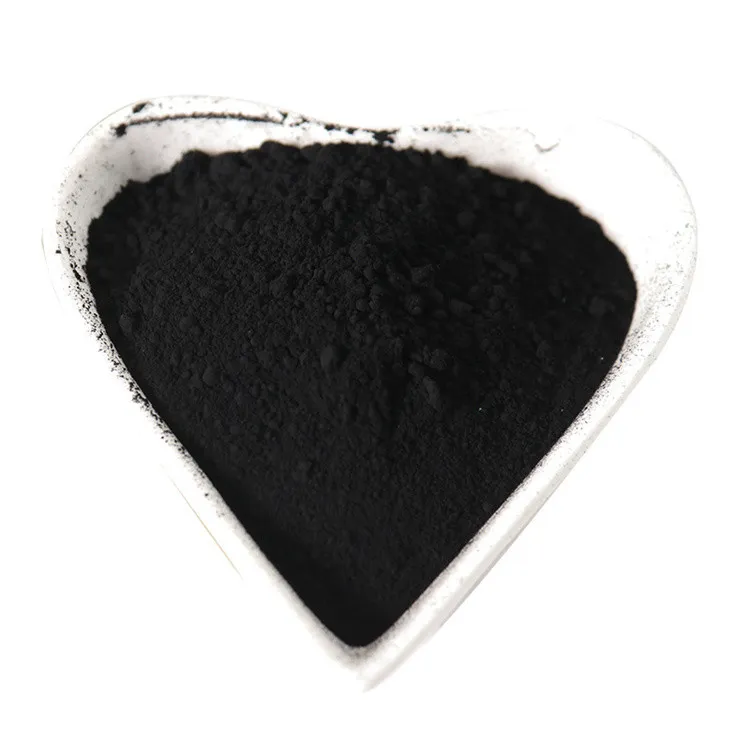
Now, if you're interested in other applications of carbon black, check out this link Carbon Black in Plastics. It gives you an idea of how carbon black is used in the plastics industry. And if you're looking for other types of carbon black, Carbon Black N375 might be something you want to explore. Also, for more on the chemical aspects of carbon black, take a look at Carbon Black Chemical.
If you're in the market for N330 Carbon Black or want to learn more about how it can be used to optimize the cross - linking density of your rubber products, don't hesitate to reach out. We're here to help you find the perfect solution for your needs. Whether you're a small - scale rubber manufacturer or a large industrial player, we've got the expertise and the high - quality N330 Carbon Black to meet your requirements.
In conclusion, N330 Carbon Black is a game - changer when it comes to influencing the cross - linking density of rubber. It offers a lot of benefits in terms of improving the performance of rubber products, but we need to use it wisely. So, if you're ready to take your rubber products to the next level, let's start a conversation!
References
- "Rubber Technology: Compounding, Processing, and Testing of Rubber and Rubber Products" by Werner Hofmann
- "Carbon Black: Production, Properties, and Applications" by M. R. Van Duin and J. B. Donnet