

As a supplier of black color pigments, I often encounter inquiries from customers about how to adjust the intensity of black color pigment in a mixture. This is a crucial aspect, especially for industries such as printing, painting, plastics, and cosmetics, where the precise shade of black can significantly impact the final product's quality and aesthetic appeal. In this blog post, I'll share some insights and practical tips on achieving the desired black intensity in your mixtures.
Understanding the Basics of Black Color Pigments
Before delving into the adjustment process, it's essential to understand the nature of black color pigments. The most common type of black pigment is Carbon Black Pigment, which is widely used due to its high tinting strength, excellent lightfastness, and chemical stability. Carbon black is produced by the incomplete combustion or thermal decomposition of hydrocarbons, resulting in fine particles with unique surface properties.
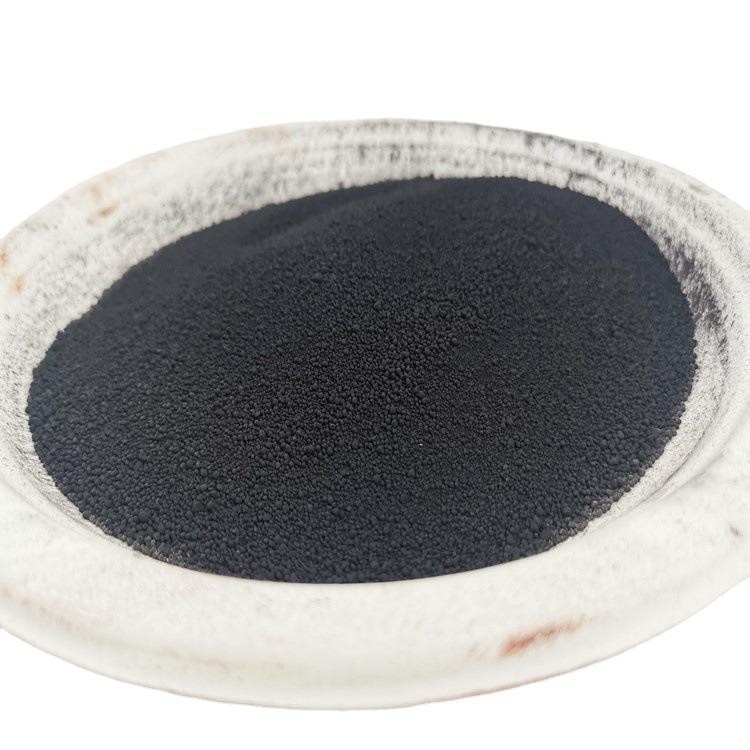
Another type is Carbon Pigment, which may include other forms of carbon-based materials. These pigments vary in particle size, shape, and surface area, all of which affect their tinting strength and dispersion properties. Carbon Black Pigment Powder is a popular form, known for its ease of handling and incorporation into various media.
Factors Affecting Black Pigment Intensity
Several factors can influence the intensity of black color pigment in a mixture. Understanding these factors is key to making accurate adjustments:

Pigment Concentration
The most straightforward way to increase the intensity of black is to increase the concentration of the pigment in the mixture. However, this approach has its limitations. Adding too much pigment can lead to issues such as poor dispersion, increased viscosity, and reduced mechanical properties in the final product. Therefore, it's crucial to find the optimal balance between pigment concentration and other performance requirements.
Particle Size and Distribution
The particle size of the black pigment plays a significant role in its tinting strength. Smaller particles generally have a higher surface area, which allows for better light absorption and scattering, resulting in a more intense black color. Additionally, a narrow particle size distribution can improve the pigment's dispersion and overall performance in the mixture.
Dispersion Quality
Proper dispersion of the pigment is essential for achieving uniform color intensity. If the pigment particles are not well-dispersed, they can clump together, leading to uneven color distribution and reduced tinting strength. Using appropriate dispersants and dispersion techniques, such as high-shear mixing or ball milling, can help ensure that the pigment particles are evenly distributed throughout the mixture.
Media Compatibility
The type of medium in which the pigment is dispersed can also affect its intensity. Different media have different refractive indices and absorption properties, which can interact with the pigment particles and alter the perceived color. For example, a pigment may appear more intense in a high-gloss medium compared to a matte one.
Adjustment Methods
Gradual Addition
One of the most common methods for adjusting black pigment intensity is to add the pigment gradually to the mixture. Start with a small amount and test the color intensity. If the desired intensity is not achieved, add a little more pigment and repeat the process until the desired result is obtained. This method allows for precise control over the color intensity and helps prevent over-pigmentation.
Dilution
In some cases, the pigment intensity may be too high. To reduce the intensity, you can dilute the mixture with a suitable medium or solvent. However, it's important to note that dilution may also affect other properties of the mixture, such as viscosity and drying time. Therefore, it's necessary to carefully consider the impact of dilution on the final product.
Blending with Other Pigments
Another approach is to blend the black pigment with other pigments to achieve the desired color intensity and shade. For example, adding a small amount of a complementary color, such as blue or green, can enhance the depth and richness of the black color. However, this method requires careful selection of the pigments and precise control of the blending ratio to avoid unwanted color shifts.
Practical Tips for Adjusting Black Pigment Intensity
Conduct Small-Scale Tests
Before making large-scale adjustments, it's advisable to conduct small-scale tests using a sample of the mixture. This allows you to evaluate the effect of different adjustment methods and determine the optimal parameters without wasting a large amount of materials.
Use Color Measurement Tools
To ensure accurate and consistent color intensity, it's recommended to use color measurement tools, such as spectrophotometers or colorimeters. These tools can provide objective data on the color properties of the mixture, allowing you to make precise adjustments based on the measured values.
Follow Safety Precautions
When working with black color pigments, it's important to follow safety precautions. Wear appropriate personal protective equipment, such as gloves and masks, to avoid inhalation or skin contact with the pigment powder. Additionally, ensure proper ventilation in the working area to prevent the accumulation of dust.
Conclusion
Adjusting the intensity of black color pigment in a mixture requires a combination of scientific knowledge, practical experience, and careful experimentation. By understanding the factors that affect pigment intensity, using appropriate adjustment methods, and following practical tips, you can achieve the desired black color intensity in your mixtures.
If you're looking for high-quality black color pigments or need further assistance with color adjustment, please don't hesitate to contact us. Our team of experts is ready to provide you with professional advice and support to meet your specific requirements.
References
- "Pigment Handbook" by Temple C. Patton
- "Color Chemistry" by Klaus Nassau
- Technical literature from leading pigment manufacturers