

Hey there! I'm a supplier of Carbon Black Grades, and today I want to chat about the environmental impacts of different carbon black grades. Carbon black is a fascinating material with a wide range of applications, from rubber products to inks and coatings. But like any industrial product, it can have both positive and negative effects on the environment.
Let's start by understanding what carbon black is. It's basically a fine powder consisting of extremely small carbon particles. These particles are produced through the incomplete combustion or thermal decomposition of hydrocarbons. There are various grades of carbon black, each with its own unique properties and uses.
One of the most common uses of carbon black is in the rubber industry. Carbon black is added to rubber to improve its strength, durability, and resistance to wear and tear. This is great for making things like tires, which need to withstand a lot of stress on the road. But the production of carbon black for rubber applications can have some environmental drawbacks.
The traditional method of producing carbon black involves burning fossil fuels, such as natural gas or oil. This process releases a significant amount of greenhouse gases, like carbon dioxide and methane, into the atmosphere. These gases contribute to global warming and climate change. Additionally, the combustion process can also produce other pollutants, such as sulfur dioxide and particulate matter, which can have negative impacts on air quality and human health.
However, there are some newer and more sustainable methods of producing carbon black. For example, some companies are using renewable feedstocks, like biomass or waste materials, to produce carbon black. This not only reduces the reliance on fossil fuels but also helps to divert waste from landfills. These sustainable production methods can significantly reduce the environmental footprint of carbon black production.
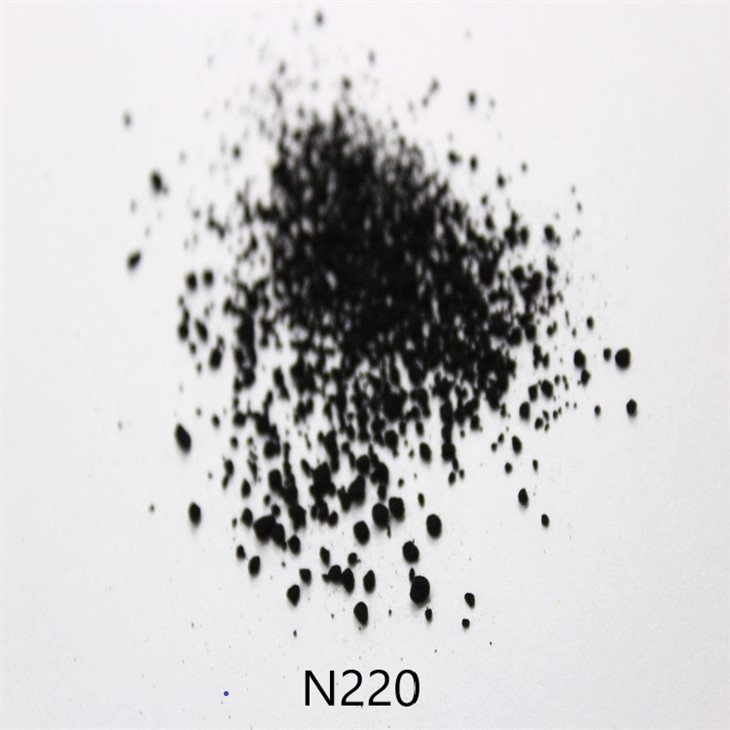
Now, let's talk about the different grades of carbon black and their specific environmental impacts. One of the most widely used grades is Carbon Black N220. This grade is known for its high reinforcement properties and is commonly used in tire treads. The production of Carbon Black N220 using traditional methods can have a relatively high environmental impact due to the energy-intensive nature of the process. However, if produced using sustainable methods, the environmental impact can be greatly reduced.
Another important application of carbon black is in the construction industry, specifically in Carbon Black Concrete. Carbon black can be added to concrete to improve its strength, durability, and resistance to corrosion. This can extend the lifespan of concrete structures, reducing the need for frequent repairs and replacements. In the long run, this can have a positive environmental impact by reducing the consumption of raw materials and energy associated with the construction industry.
However, the addition of carbon black to concrete also has some potential environmental concerns. For example, the production of carbon black for concrete applications may still involve the use of fossil fuels, which can contribute to greenhouse gas emissions. Additionally, the disposal of concrete waste containing carbon black may pose some challenges, as the carbon black particles may need to be properly managed to prevent environmental contamination.
In the chemical industry, Chemicals Carbon Black is used in a variety of applications, such as in the production of plastics, coatings, and inks. The environmental impact of using carbon black in these applications depends on several factors, including the production method, the quantity used, and the end-of-life management of the products.
Some chemical products containing carbon black may be more difficult to recycle or dispose of properly, which can lead to environmental pollution. On the other hand, carbon black can also enhance the performance of these chemical products, reducing the need for other potentially more harmful chemicals. This can result in a net positive environmental impact if the overall life cycle of the product is considered.

So, what can we do to minimize the environmental impacts of different carbon black grades? As a supplier, I'm committed to promoting the use of sustainable production methods. We work closely with our customers to understand their specific needs and recommend the most appropriate carbon black grades that balance performance and environmental considerations.
For customers, it's important to choose carbon black products that are produced using sustainable methods. When specifying carbon black for a particular application, consider the entire life cycle of the product, from production to disposal. Look for products that have been certified as environmentally friendly or that meet certain sustainability standards.
In addition, proper waste management is crucial. Recycling and reusing carbon black-containing products whenever possible can help to reduce the demand for new carbon black production and minimize environmental pollution. For example, some companies are exploring the possibility of recycling carbon black from used tires or other rubber products.
If you're interested in learning more about our Carbon Black Grades or have any questions about their environmental impacts, I'd love to hear from you. Whether you're in the rubber, construction, or chemical industry, we can provide you with the right solutions to meet your needs while also being environmentally responsible. Let's start a conversation about how we can work together to make a positive impact on the environment.
In conclusion, different carbon black grades have a range of environmental impacts, depending on their production methods, applications, and end-of-life management. While there are some challenges associated with the environmental footprint of carbon black, there are also many opportunities to reduce these impacts through the use of sustainable production methods and proper waste management. As a supplier, I'm dedicated to helping my customers navigate these issues and make informed decisions. So, if you're in the market for carbon black, don't hesitate to reach out and let's discuss how we can move towards a more sustainable future.
References
- ASTM International. (2023). Standard Terminology Relating to Carbon Black. ASTM D1765 - 23.
- International Carbon Black Association. (2022). Carbon Black Sustainability Report.
- United Nations Environment Programme. (2021). Global Outlook for Building and Construction: Towards a Zero - Emission, Efficient and Resilient Buildings and Construction Sector.