

Can N234 Carbon Black be used in seals and gaskets?
As a trusted supplier of N234 carbon black, I often get asked about its suitability for various applications, especially in seals and gaskets. In this blog post, I'll delve into the properties of N234 carbon black and explore whether it can be effectively used in these critical components.
Understanding N234 Carbon Black
N234 carbon black is a high - structure, medium - particle - size carbon black. It is produced through a carefully controlled furnace process, which gives it unique physical and chemical properties. The structure of carbon black refers to the degree of aggregation of the primary particles. High - structure carbon blacks like N234 have a more complex and interconnected network of particles, which can significantly impact the performance of the materials they are added to.
The particle size of N234 carbon black is relatively small, which contributes to its excellent reinforcement capabilities. When incorporated into rubber compounds, it can enhance the mechanical properties of the rubber, such as tensile strength, abrasion resistance, and tear resistance.
Requirements for Seals and Gaskets
Seals and gaskets are essential components in many industries, including automotive, aerospace, and industrial machinery. They are used to prevent the leakage of fluids (liquids or gases) between two mating surfaces. To perform effectively, seals and gaskets need to have several key properties:
- Sealing Performance: They must be able to create a tight seal under different pressures, temperatures, and environmental conditions. This requires good elasticity and the ability to conform to the mating surfaces.
- Chemical Resistance: Seals and gaskets may come into contact with various chemicals, such as oils, fuels, and solvents. They need to resist chemical attack to maintain their integrity over time.
- Abrasion Resistance: In some applications, seals and gaskets may experience friction and wear. High abrasion resistance ensures a longer service life.
- Mechanical Strength: They need to have sufficient tensile strength and tear resistance to withstand the forces applied during installation and operation.
Advantages of Using N234 Carbon Black in Seals and Gaskets
-
Reinforcement: As mentioned earlier, N234 carbon black is an excellent reinforcing agent. When added to rubber compounds used in seals and gaskets, it can significantly improve the mechanical strength. The high - structure nature of N234 helps to distribute stress more evenly throughout the rubber matrix, reducing the likelihood of cracking and tearing. This is particularly important in applications where the seals and gaskets are subjected to high pressures or dynamic loads.
-
Abrasion Resistance: The small particle size of N234 carbon black contributes to improved abrasion resistance. Seals and gaskets with enhanced abrasion resistance can withstand the friction caused by movement or contact with other surfaces, leading to a longer service life. This is especially beneficial in applications such as automotive engines, where seals are exposed to moving parts.
-
Heat Resistance: N234 carbon black can also enhance the heat resistance of rubber compounds. In many industrial applications, seals and gaskets are exposed to high temperatures. By improving the heat resistance, N234 helps to prevent the rubber from degrading or losing its elasticity at elevated temperatures, ensuring reliable sealing performance.

-
Chemical Resistance: While the primary role of N234 carbon black is not chemical resistance, it can still have a positive impact on the overall chemical resistance of the rubber compound. The reinforcement provided by N234 can help to protect the rubber from the penetration of chemicals, reducing the risk of swelling or degradation.
Considerations and Limitations
- Dispersion: One of the challenges when using N234 carbon black in seals and gaskets is ensuring proper dispersion in the rubber compound. If the carbon black is not evenly dispersed, it can lead to uneven reinforcement and potential weak points in the seal or gasket. Special mixing techniques and equipment may be required to achieve good dispersion.
- Cost: N234 carbon black is a relatively high - performance material, and its cost may be a factor in some applications. When considering the use of N234, it's important to balance the performance benefits against the cost. In some cases, alternative carbon blacks such as Carbon Black 550 or Dark Carbon may be more cost - effective, although they may not offer the same level of performance.
- Compatibility: The compatibility of N234 carbon black with other additives in the rubber compound needs to be carefully considered. Some additives may interact with the carbon black, affecting its performance or the overall properties of the rubber.
Comparison with Other Carbon Blacks
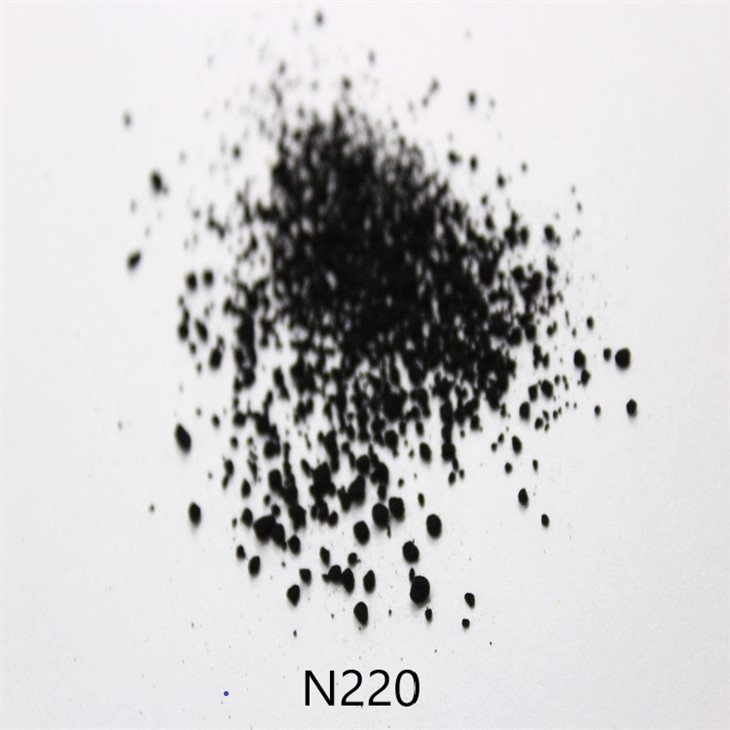
There are many types of carbon blacks available in the market, and each has its own unique properties. For example, Carbon Black N220 is another popular choice for rubber reinforcement. While both N220 and N234 are high - performance carbon blacks, N234 generally has a higher structure, which can result in better reinforcement and abrasion resistance. However, the choice between the two depends on the specific requirements of the seals and gaskets.
Real - World Applications
In the automotive industry, N234 carbon black is commonly used in engine seals, such as valve stem seals and oil pan gaskets. These components need to withstand high temperatures, pressures, and the presence of engine oils. The use of N234 helps to ensure reliable sealing performance and a longer service life.
In the aerospace industry, seals and gaskets are used in critical applications such as fuel systems and hydraulic systems. The high - performance properties of N234 carbon black make it a suitable choice for these applications, where safety and reliability are of utmost importance.
Conclusion
In conclusion, N234 carbon black can be effectively used in seals and gaskets. Its reinforcement capabilities, abrasion resistance, heat resistance, and potential contribution to chemical resistance make it a valuable additive for rubber compounds used in these components. However, proper dispersion, cost considerations, and compatibility with other additives need to be taken into account.
If you are in the market for high - quality N234 carbon black for your seal and gasket applications, I encourage you to reach out for a detailed discussion. We can work together to determine the best solution for your specific needs and ensure that you get the most out of our N234 carbon black.
References
- "Carbon Black: Properties, Production, and Applications" - A comprehensive book on carbon black technology.
- Industry reports on rubber compounding for seals and gaskets.
- Technical papers from carbon black manufacturers on the performance of N234 carbon black.