

As a supplier of N110 Carbon Black, I understand the importance of handling this versatile and widely - used material safely. N110 Carbon Black is a high - quality reinforcing filler commonly used in the rubber industry, especially in the production of tires. In this blog, I will share some essential guidelines on how to handle N110 Carbon Black safely.
Understanding N110 Carbon Black
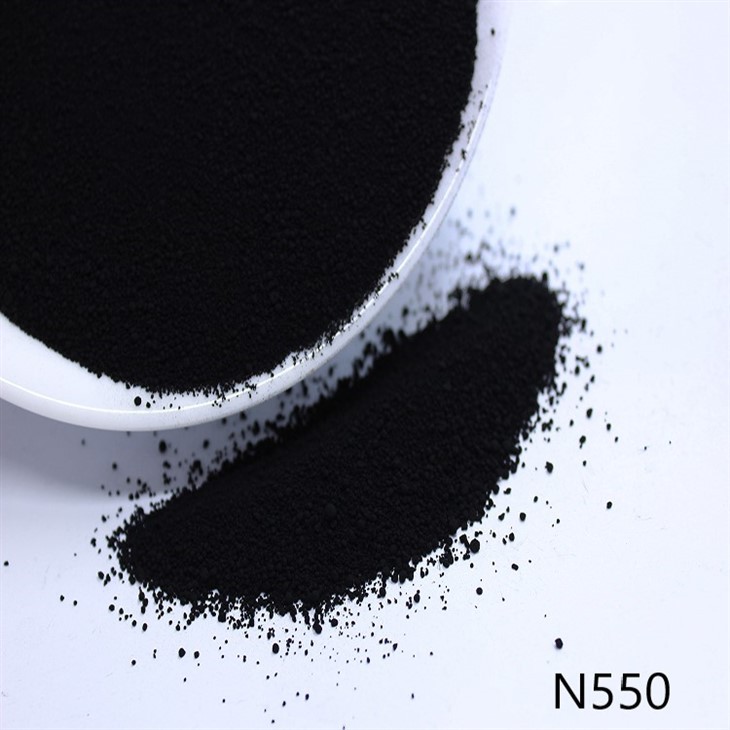
N110 Carbon Black is a fine powder with a specific surface area and structure that contribute to its unique properties. It is produced by the incomplete combustion or thermal decomposition of hydrocarbons. This type of carbon black is known for its excellent reinforcement, abrasion resistance, and good processability in rubber compounds. However, like any fine powder, it can pose certain health and safety risks if not handled properly.

Health Risks Associated with N110 Carbon Black
Exposure to N110 Carbon Black can have potential health effects. Inhalation of carbon black dust is the primary concern. Prolonged or high - level inhalation may cause respiratory problems such as coughing, shortness of breath, and reduced lung function. There is also a potential risk of developing pneumoconiosis, a lung disease caused by the inhalation of dust particles. Additionally, skin contact with carbon black may cause irritation, and eye contact can lead to irritation and redness.
Safety Precautions in Handling N110 Carbon Black
Personal Protective Equipment (PPE)
- Respiratory Protection: When working with N110 Carbon Black, it is crucial to wear appropriate respiratory protection. A particulate respirator with a high - efficiency particulate air (HEPA) filter can effectively prevent the inhalation of carbon black dust. Workers should be trained on how to properly fit and use the respirator to ensure maximum protection.
- Eye Protection: Safety goggles or a face shield should be worn to protect the eyes from dust particles. This is especially important during operations such as pouring, mixing, or transferring carbon black.
- Skin Protection: Long - sleeved shirts, long pants, and gloves should be worn to minimize skin contact. Chemical - resistant gloves are recommended to prevent the absorption of any potentially harmful substances in the carbon black.
Workplace Ventilation
- Local Exhaust Ventilation: Installing local exhaust ventilation systems at the source of dust generation is essential. For example, in areas where carbon black is being unloaded, mixed, or packaged, a well - designed exhaust system can capture and remove the dust before it spreads into the workplace.
- General Ventilation: In addition to local exhaust ventilation, good general ventilation throughout the workplace is necessary. This helps to dilute any remaining dust in the air and maintain a safe working environment. Windows and doors can be opened to allow for natural ventilation, and mechanical ventilation systems can be used to ensure proper air circulation.
Storage and Handling
- Storage Conditions: N110 Carbon Black should be stored in a cool, dry, and well - ventilated area. It should be kept away from sources of heat, open flames, and incompatible materials. The storage containers should be tightly sealed to prevent dust leakage.
- Handling Procedures: When handling carbon black, use appropriate equipment such as shovels, hoppers, and conveyors that are designed to minimize dust generation. Avoid activities that can cause excessive dust dispersion, such as sweeping with dry brooms. Instead, use wet - sweeping methods or vacuum cleaners equipped with HEPA filters.
Emergency Response
Despite taking all the necessary precautions, accidents can still happen. It is important to have an emergency response plan in place.
- Spill Response: In the event of a carbon black spill, the area should be immediately cordoned off to prevent unauthorized entry. Workers should wear appropriate PPE before attempting to clean up the spill. Small spills can be cleaned up using a vacuum cleaner with a HEPA filter. For larger spills, a wet - down method can be used to prevent dust from becoming airborne during the cleanup process.
- First Aid: If a worker is exposed to carbon black through inhalation, skin contact, or eye contact, first - aid measures should be taken immediately. In case of inhalation, the worker should be moved to an area with fresh air and monitored for any signs of respiratory distress. For skin contact, the affected area should be washed thoroughly with soap and water. In case of eye contact, the eyes should be flushed with clean water for at least 15 minutes, and medical attention should be sought if irritation persists.
Training and Education
All workers involved in the handling of N110 Carbon Black should receive comprehensive training on safety procedures. The training should cover the properties of carbon black, the associated health risks, the proper use of PPE, and emergency response procedures. Regular refresher courses should be provided to ensure that workers stay updated on the latest safety information.
Quality Assurance and Safety in the Supply Chain
As a supplier, I am committed to ensuring the quality and safety of the N110 Carbon Black I provide. We follow strict manufacturing processes to ensure that the carbon black meets the highest quality standards. Our products are tested regularly to ensure that they are free from contaminants and meet the required specifications. We also provide detailed safety data sheets (SDS) to our customers, which contain information on the proper handling, storage, and disposal of N110 Carbon Black.
Comparison with Other Carbon Blacks
N110 Carbon Black has its unique properties compared to other types of carbon black, such as Carbon Black 330. While both are used in the rubber industry, N110 is known for its higher reinforcing ability and better abrasion resistance, making it more suitable for high - performance tires. On the other hand, Carbon Black 330 may be more commonly used in general - purpose rubber products.
Regulatory Compliance
The handling of N110 Carbon Black is subject to various regulations. For example, the Cas No 1333 86 4 is the chemical identification number for carbon black, and there are regulations governing its production, handling, and disposal. It is important for both suppliers and users to comply with these regulations to ensure the safety of workers and the environment.
Applications and the Importance of Safe Handling
N110 Carbon Black is widely used in the production of Tyre Carbon Black Powder. The safety of handling this material is crucial not only for the workers in the manufacturing process but also for the quality of the final product. Proper handling ensures that the carbon black retains its properties, which in turn contributes to the performance and durability of the tires.
Conclusion
Handling N110 Carbon Black safely is of utmost importance. By following the safety precautions outlined in this blog, including the use of PPE, proper ventilation, and emergency response procedures, the risks associated with carbon black can be significantly reduced. As a supplier, I am dedicated to providing high - quality N110 Carbon Black and supporting my customers in ensuring the safe handling of this material. If you are interested in purchasing N110 Carbon Black or have any questions regarding its safe handling, please feel free to contact me for further discussion.
References
- "Occupational Safety and Health Administration (OSHA) Guidelines for Handling Fine Powders"
- "International Agency for Research on Cancer (IARC) Monographs on the Evaluation of Carcinogenic Risks to Humans: Carbon Black"
- "Rubber Manufacturers Association (RMA) Safety Recommendations for Carbon Black Handling in the Rubber Industry"